
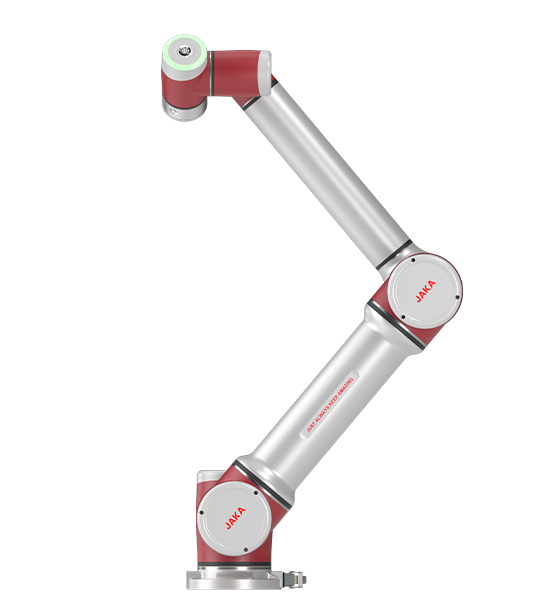
Ever thought about how a simple change in design can transform an entire industry? With manufacturers continuously pushing boundaries, flexible robot arms are now taking the spotlight. Did you know that according to industry reports, flexible automation boosts efficiency by up to 30%? Flexible robot arms are at the heart of this innovation. They enable manufacturers to adapt quickly to changing production needs, which is a game-changer in the world of manufacturing cobots.
Understanding the Hidden Pain Points
I remember the first time I witnessed a rigid assembly line—a structured yet painfully slow process. It was frustrating to see brilliant minds stifled by archaic machines, where one hiccup could send production into a tailspin. Here’s the kicker: while traditional robotic solutions have their place, they often fail to accommodate rapid design changes or smaller production runs. This is where flexible robot arms shine. They come equipped with adaptability that traditional machines simply can’t match—talk about a breath of fresh air!
Why Flexibility Matters?
Flexible arms don’t just save time; they save money too. Think about it—less downtime means you’re on track to meet those tight deadlines and keep customers happy. Manufacturers using flexible arms can pivot faster, allowing them to launch new products or adapt combinations without missing a beat. And let’s not forget about operator safety. With collaborative robots (cobots), humans can work alongside robots without the fear of getting knocked around. It’s a win-win for productivity and safety!
What’s Next for Flexible Robot Arms?
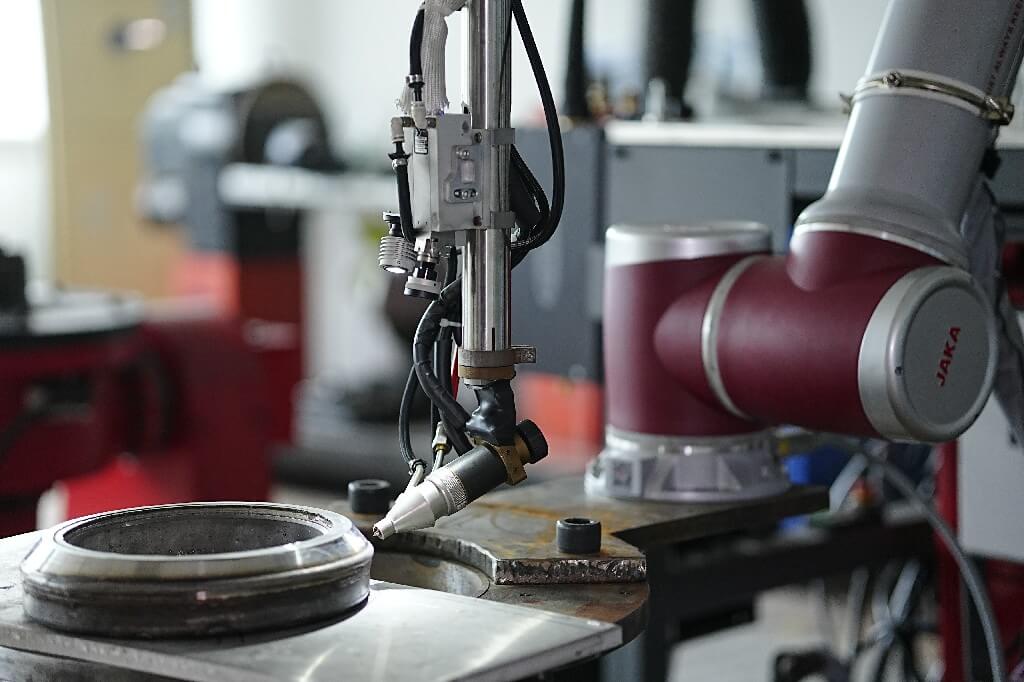
Looking ahead, the buzz around flexible robot arms is only getting louder. As more companies adopt manufacturing cobots, we’re likely to see even greater integration across production lines. Imagine a future where a single robot arm can switch out tools with the touch of a button, allowing for seamless transitions between tasks. The potential is thrilling!
Then there’s the aspect of software: think AI-driven enhancements that could predict maintenance before issues arise. Companies will be investing heavily in this tech, aiming to reduce downtime even further. The truth is, flexibility in robot design is setting us up for a future where efficiency knows no bounds. It’s exciting, isn’t it?
Key Insights Moving Forward
To wrap up, I’ve seen firsthand how embracing flexible robot arms can lead to tangible results. Increased productivity, superior safety, and adaptability are just the beginning. As manufacturers gear up for more innovation, the evaluation of solutions will be crucial. Keep an eye on these three key metrics: flexibility of design, ease of integration into existing systems, and cost of ownership. With the right tools, you’ll be well-equipped to thrive in this ever-evolving landscape. And hey, if you’re curious about reliable, innovative solutions, check out JAKA. They’re paving the way forward in this exciting field!