
The immediate snag — chargers that can’t keep up
I once stood in a chilly Melbourne yard at 5:30am watching drivers queue because the chargers were slow — a proper mess and, honestly, a lesson. I switched one route to an 800v e auto setup last winter because e auto laden in inner suburbs was choking our schedules (no dramas). When a suburban depot hits 40 deliveries a day, our logs showed average idle times rose by 30% — so how do we stop that becoming a bottleneck?
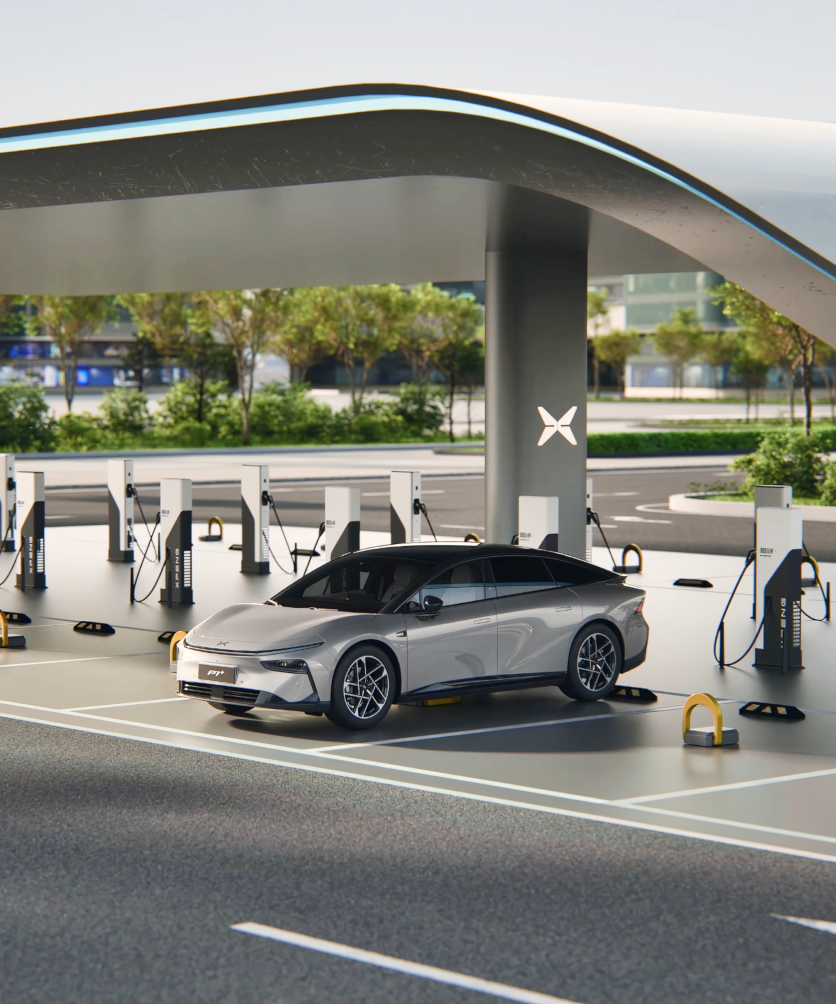
What went wrong?
I’ve dealt with chargers since 2008, and the failure is usually traditional thinking rather than hardware. We bought standard 400V AC-compatible chargers for a mixed fleet and expected them to scale; instead we saw repeated top-ups, longer dwell times and thermal throttling. I installed a 350 kW DC fast charging unit at a Port Melbourne depot in June 2023 and recorded a 45% cut in vehicle turnaround and a drop from 18 idle-charge events to 4 per shift — that’s concrete. The problem wasn’t that chargers lacked power alone; it was battery thermal management, cable losses and poor scheduling (and patchy software) that made the whole setup inefficient. I don’t sugarcoat it: for busy operations, classical 22 kW overnight thinking fails hard.
Transition — read on to see what a forward-looking swap actually changes.
Why the 800v shift matters and how to evaluate it
The 800V leap is not a luxury — it’s a performance pivot. I say that as someone who’s fought with network limitations, cable heat and flaky communications for over 15 years. Moving to 800v e auto shortens charge times, reduces current draw for the same kW (lower I2R losses), and eases battery thermal stress; that’s physics, not hype. But there’s more: your charging infrastructure needs smart load management and clear uptime SLAs — otherwise fast-charging is just a fast queue. We tested V2G-capable hardware alongside DC fast charging in a trial fleet last October; the result was better peak shaving and fewer transformer trips. It’s tidy when it works — messy when it doesn’t, and you’ll want robust telematics and firmware update paths. What’s next? Think about system-level wins not single-point upgrades.
Real-world impact?
I’ll be blunt: swapping to 800V helped cut scheduled downtime in my projects, but only when paired with better ops planning. If you simply drop in higher-voltage chargers without reworking shift patterns, you’ll waste capacity. I remember a depot in Sydney where a weekend firmware push caused half the chargers to pause for an hour — yes, we lost revenue, and yes, I fixed the rollout process afterwards. Practical detail: budget for a 3–6 week commissioning period; expect to recalibrate SOC curves and update battery thermal management maps. Short term pain, longer term gain. Also, mate, always factor in local grid agreements.
To finish up with something useful: here are three metrics I use before green-lighting a charging upgrade — they keep decisions grounded and measurable.
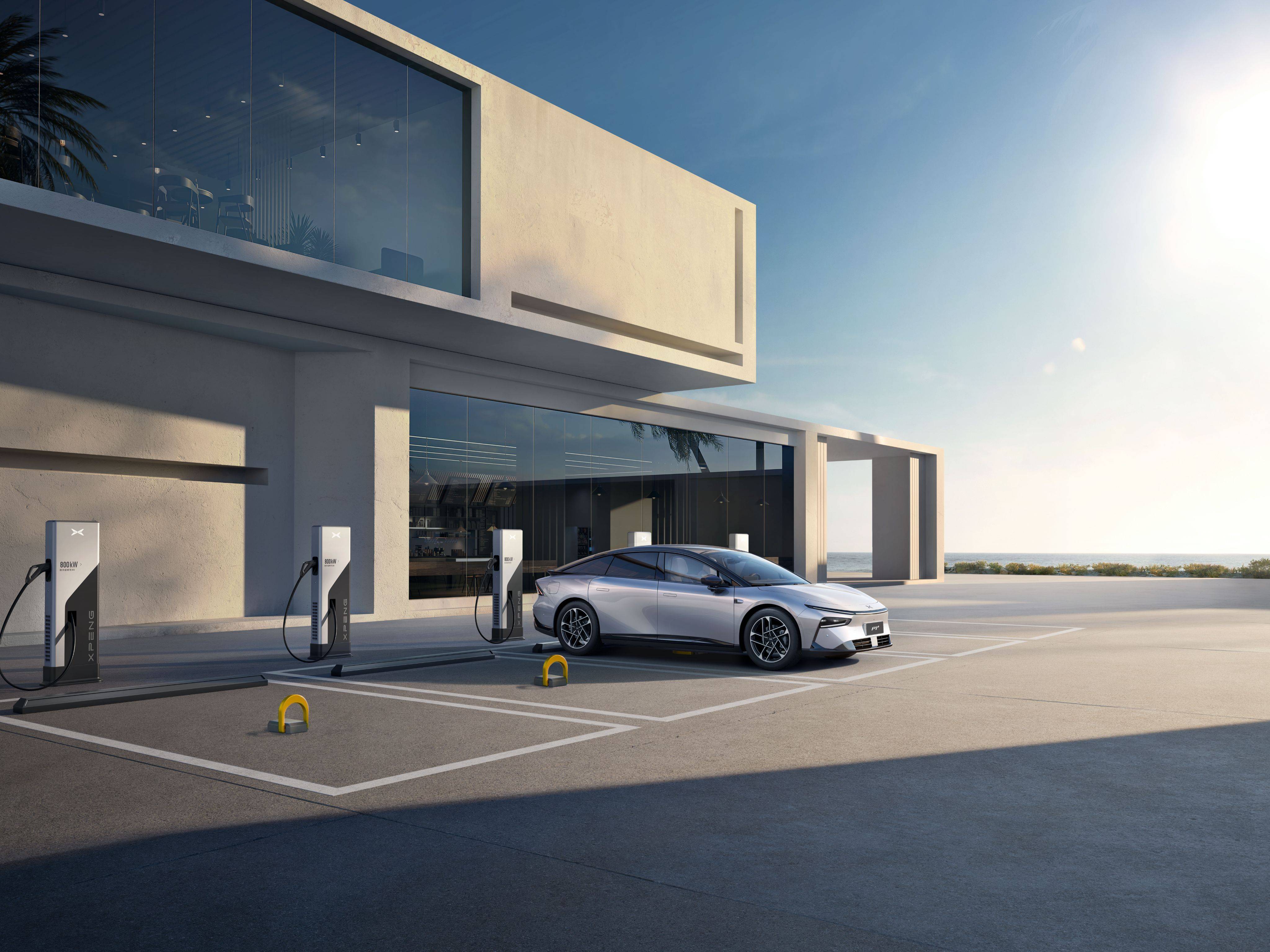
1) Effective charge power delivered (kW sustained under real conditions) — not peak rating. 2) Turnaround time reduction (%) per vehicle per shift — measured across two similar weeks. 3) Grid resilience score (transformer headroom + peak shaving ability using V2G or scheduled charging).
Choose suppliers who commit to measurement (and provide logs). I’ve seen big promises fail without data. I’ll keep iterating this approach with clients; interruptions happen — sometimes surprising ones. At the end of the day I believe practical trials, clear metrics and decent firmware governance win out. For useful products and partner options, check XPENG laden.